X International Conference "ProStarch 2026: From Raw Materials to Bioeconomy". How the second day went
On April 15, 2026, the second day of the anniversary X International Conference "ProStarch 2026: From Raw Materials to Bioeconomy", organized by the Association of value-added grain processing companies, concluded in Moscow. The second day was dedicated to analytics, consumer markets, bioclusters, industrial projects, personnel, and biotechnologies.
Strategic session "PRO analytics and consumer markets"
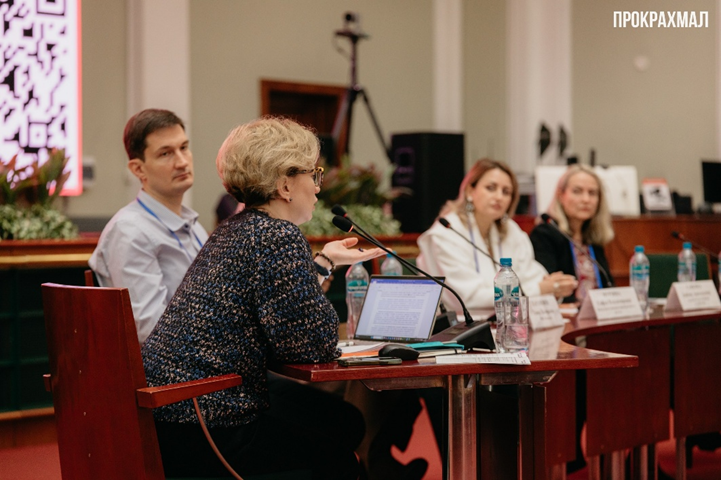
During the session, participants discussed the current state of the starch and syrup industry, the market potential of promising deep grain processing segments, the technological transformation of feed production, and the impact of excise taxes on sugar-containing beverages on formulations and demand for sweet components. The session was moderated by Polina Semenova, Executive Director of SPPI.
Pavel Paramonov, Head of Strategic Marketing Group at Cargill LLC, noted: "After a record-breaking 2024, the starch and syrup industry saw a cooling of demand in 2025. The main reason was a decrease in production in the confectionery segment, which accounts for 62% of the consumption of syrups. Negative demand dynamics were also present in the beverage, ice cream, and corrugated packaging segments. However, 2026 gives reason for cautious optimism — the industry continues to develop due to the expansion of the product portfolio among market players and deep grain processing projects."
Sofia Murzina, Head of Food Raw Materials and Ingredients Market Research at the Center for Investment and Industrial Analysis, stated: "Today, it is becoming increasingly difficult for investors to find attractive niches in the deep grain processing industry: the market is developing, existing enterprises are expanding their product portfolios, and new projects are being launched in Russia and the CIS. However, limited domestic demand and high dependence of export supplies on price competitiveness hinder growth and do not always allow the industry's potential to be realized."
Liubov Savkina, Development Director of the AgroInsight analytical platform, founder of the Savkina Expert Group educational project, emphasized: "The logic of 'more heads - more meat' is now being replaced by the paradigm of 'lower cost - higher competitiveness'. This requires a transition to high-tech feeding, where there is a leading demand for deep grain processing products - amino acids, vitamins, and protein concentrates. The time for investment decisions is 2026–2027: to ensure the market with its own feed raw materials by 2030, action must be taken now."
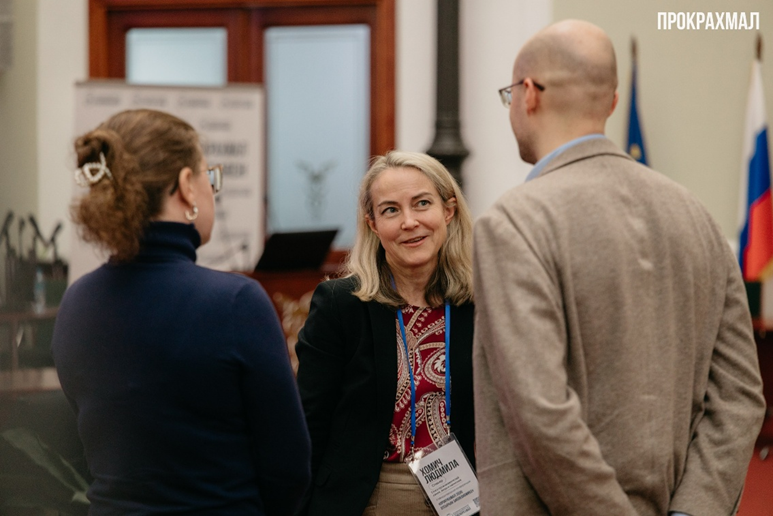
Lyudmila Khomich, Director for Quality, Technical Regulation, and Standardization of the Union of Juice, Water, and Beverage Producers, said: "The policy of reducing sugar consumption and the introduction of excise tax on sugar-containing beverages have launched a large-scale transformation of the industry: manufacturers are actively reviewing formulations, looking for opportunities to replace sugar with other sweet components, and forming a request to related industries for new technological solutions."
Round table "PRO bioclusters and industrial projects"
Round table participants discussed investment hypotheses, financial sustainability strategies, the introduction of new biotechnologies and artificial intelligence, a comprehensive approach to deep processing of legumes, and the role of science and education in the formation of bioclusters. The session was moderated by Oleg Radin, President of StarchUnion.
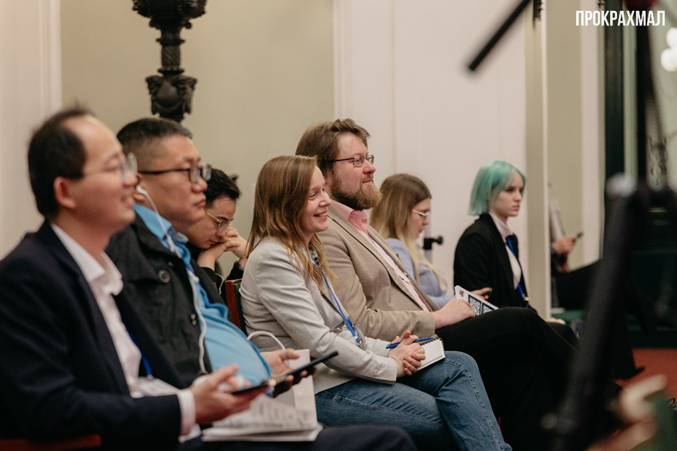
A representative of Rustark LLC noted: “For the successful implementation of deep grain processing projects in the current unstable economic environment, companies need to adhere to a financial sustainability strategy: rely on their own capital, diversify financing, and approach investments with maximum caution.”
Natalia Chernysheva, Managing Director for Technological Development of the Agro-Industrial Complex at Rosselkhozbank JSC, stated: “Deep grain processing is now considered a strategic direction: it allows for obtaining high-margin and in-demand products – amino acids, feed and food additives, some of which are in short supply and have export potential. The development of the industry is directly related to the introduction of new biotechnologies and the use of AI for modeling, DNA synthesis, and the creation of microorganisms.”
Maxim Divak, Deputy General Director for Foreign Economic Activity of the Agroholding Yubileiny Group of Companies, emphasized: “Projects for deep processing of agricultural raw materials require a comprehensive approach, as efficiency is achieved not through one product, but through full processing and the production of several products. Already at the planning stage, it is important to consider the limitations of the domestic market, focus on exports, and rely on a sustainable raw material, engineering, and personnel base, as well as experience in implementing complex biotechnological productions.”
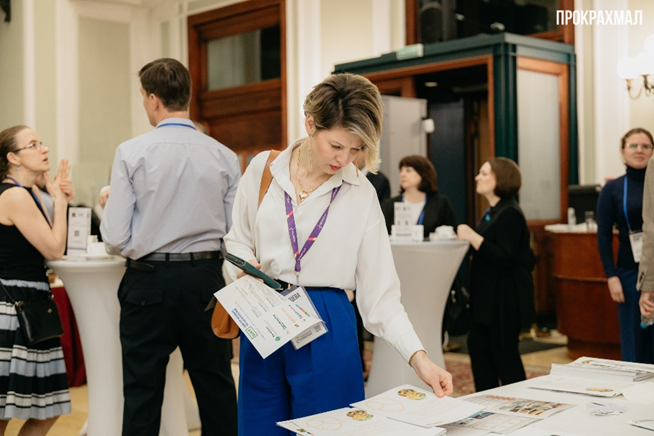
Boris Karetkin, Associate Professor at the Department of Biotechnology, D.I. Mendeleev Russian University of Chemistry and Technology, noted: “The complex processing of plant raw materials is the foundation for the formation of bioclusters, but their development is impossible without systematic interaction between science, education, and business. Scientific and educational organizations play a crucial role, not only participating in the development and improvement of biotechnological processes but also ensuring personnel training. It is also fundamental that technology transfer centers with diverse capabilities for research and scaling biotechnological processes are located within the biocluster, “within walking distance” for small and medium-sized enterprises, whose capabilities are usually limited.”
Scientific and practical session “PRO personnel, innovations, and biotechnologies”
Scientific and practical session “PRO personnel, innovations, and biotechnologies”
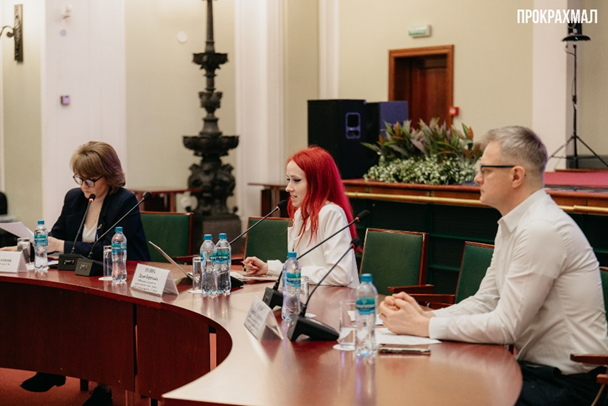
The session was moderated by Ekaterina Sergeyevna Titova, leading researcher at the Research Institute for Education Development, Plekhanov Russian University of Economics, Ph.D. in Economics. Participants discussed approaches to personnel training for the agro-industrial complex, ecosystems of engineering schools for biotechnologists, equipping laboratories for testing modified starches, creating microbial producers of enzymes, and harmonizing the needs of industry and the education system.
Alexander Nekrasov, Deputy Director of the Department of Education and Personnel Policy of the Ministry of Agriculture of Russia, said: “Answering the question about approaches to specialist training, I can say that we focus on considering the specifics of personnel needs in the context of specific types of economic activity and regions. Annually, together with the Ministry of Labor, we conduct a large-scale survey of employers. Last year, 31.5 thousand organizations from the agro-industrial complex sector alone participated in it. The survey results form the basis for developing a forecast of personnel needs, on the basis of which decisions are subsequently made to expand enrollment in educational organizations or adjust individual educational programs.”
Alexander Nekrasov, Deputy Director of the Department of Education and Personnel Policy of the Ministry of Agriculture of Russia, said: “Answering the question about approaches to specialist training, I can say that we focus on considering the specifics of personnel needs in the context of specific types of economic activity and regions. Annually, together with the Ministry of Labor, we conduct a large-scale survey of employers. Last year, 31.5 thousand organizations from the agro-industrial complex sector alone participated in it. The survey results form the basis for developing a forecast of personnel needs, on the basis of which decisions are subsequently made to expand enrollment in educational organizations or adjust individual educational programs.”
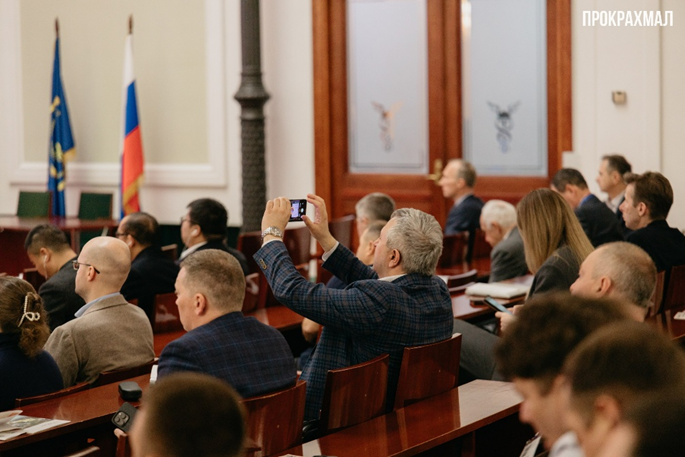
Lyudmila Tekutyeva, Director of the Advanced Engineering School, CEO and founder of ARNIKA Group of Companies, spoke online: “In response to the demand for training highly qualified new-generation engineers capable of ensuring the country's technological sovereignty, an ecosystem is being formed at FEFU, uniting science, university, and industry. Creating coordination between representatives of business, science, and government, as well as building a complete chain from research and R&D to pilot and mass production of technological sovereignty and leadership products, allows not only to train new types of biotechnologists but also to ensure the development, scaling, and implementation of biotechnologies into the country's economy.”
Lidia Kuzina, Head of the “Starch Modification Technologies” laboratory at the All-Russian Research Institute of Starch and Starch-Containing Raw Materials Processing – a branch of the Federal State Budgetary Scientific Institution “Federal Research Center for Potato named after A.G. Lorkh,” stated: “Equipping a laboratory for testing modified starches requires a comprehensive approach, as quality and safety control covers a wide range of indicators – from physicochemical properties to microbiological characteristics. The use of modern analytical equipment and the selection of solutions confirmed by practice ensure the reliability of results and form the basis for standardization and industry development.”
Lidia Kuzina, Head of the “Starch Modification Technologies” laboratory at the All-Russian Research Institute of Starch and Starch-Containing Raw Materials Processing – a branch of the Federal State Budgetary Scientific Institution “Federal Research Center for Potato named after A.G. Lorkh,” stated: “Equipping a laboratory for testing modified starches requires a comprehensive approach, as quality and safety control covers a wide range of indicators – from physicochemical properties to microbiological characteristics. The use of modern analytical equipment and the selection of solutions confirmed by practice ensure the reliability of results and form the basis for standardization and industry development.”
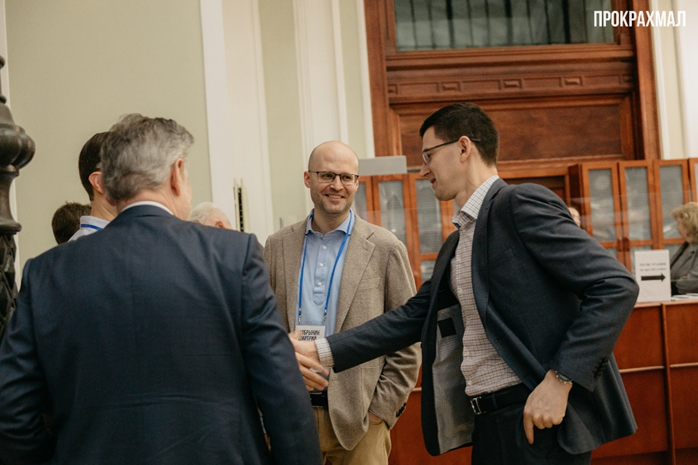
Alexander Fedorov, Ph.D. in Biology, leading researcher at the National Bioresource Center — All-Russian Collection of Industrial Microorganisms, Kurchatov Institute National Research Center, noted: “Modern genetic engineering approaches allow for the creation of highly effective microbial producer strains, which form the basis of industrial biotechnology and ensure the production of enzymes, amino acids, organic acids, and other in-demand products with world-class characteristics. The application of super-producer strains developed at the BRC VKPM opens up opportunities for cooperation between the Kurchatov Institute National Research Center and domestic biotechnological enterprises for the competitive production of ingredients used and obtained in the conversion of starch-containing raw materials, and the sustainable functioning of the bioeconomy.”
Ekaterina Sergeyevna Titova, leading researcher at the Research Institute for Education Development, Plekhanov Russian University of Economics, Ph.D. in Economics, summarized: “Personnel training for the bioeconomy requires a review of approaches: educational programs must be directly linked to the real demands of the industry. The involvement of business in specialist training and the formation of a common language between industry and the academic community, allowing technologies to be translated into the content of educational programs, plays a key role.”
Ekaterina Sergeyevna Titova, leading researcher at the Research Institute for Education Development, Plekhanov Russian University of Economics, Ph.D. in Economics, summarized: “Personnel training for the bioeconomy requires a review of approaches: educational programs must be directly linked to the real demands of the industry. The involvement of business in specialist training and the formation of a common language between industry and the academic community, allowing technologies to be translated into the content of educational programs, plays a key role.”
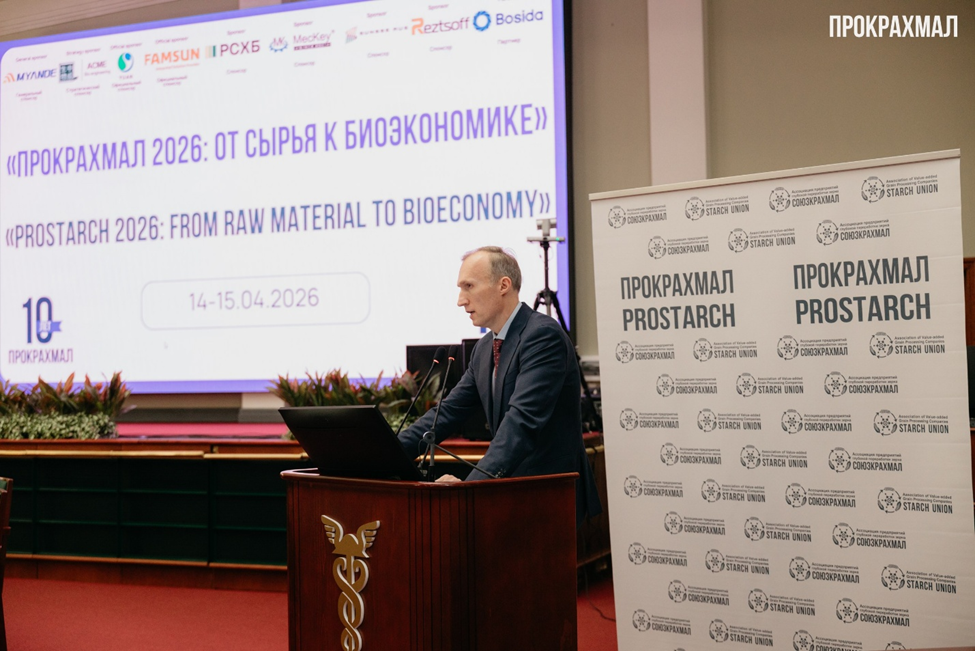
The anniversary ProStarch 2026 conference gathered 130 participants from 60 companies from Russia and abroad. Over 10 years, the event has become not just an industry tradition, but a meeting point for professionals: this year, 28 expert presentations, stands from 9 sponsors, 18 hours of networking, and support from 63 information partners were featured. “The main outcome of the two days is that ProStarch is a space for direct dialogue between business, government, and science, where current market conditions and the overall industry development strategy are discussed,” said Oleg Radin, President of the Association of value-added grain processing companies.
Visit the XI International Conference "ProStarch 2027: From Raw Materials to Bioeconomy" on deep grain processing for agribusiness participants, investors, suppliers of food ingredients and technologies.
Details on the website prostarch.ru/en
Your questions will be answered here:
Vasilenko Daria Vladimirovna
+79615276412
https://vk.com/starchunion
https://t.me/starchunion
Details on the website prostarch.ru/en
Your questions will be answered here:
Vasilenko Daria Vladimirovna
+79615276412
https://vk.com/starchunion
https://t.me/starchunion