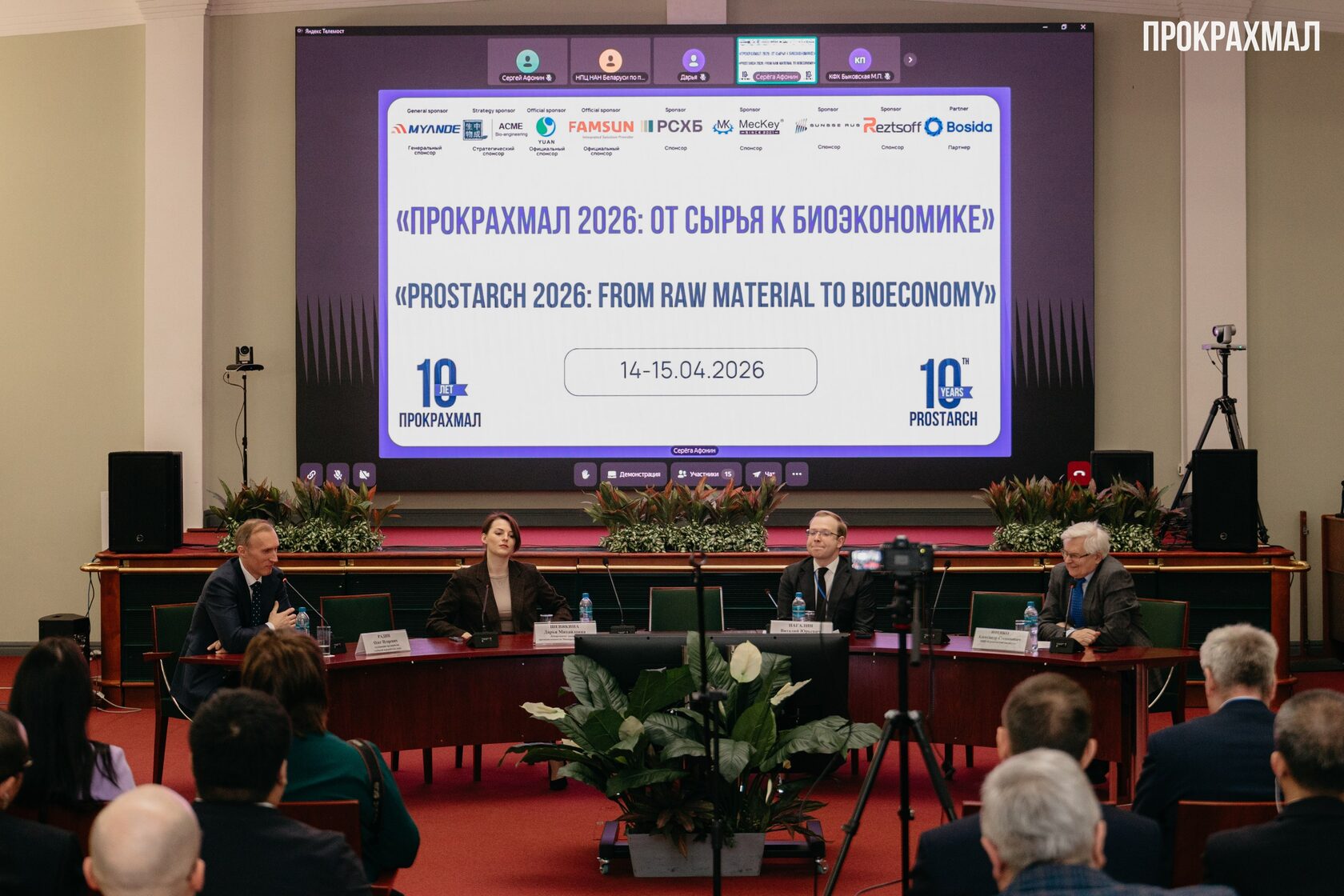
On April 14–15, 2026, the anniversary X International Conference “ProStarch 2026: From Raw Materials to Bioeconomy,” organized by the Association of value-added grain processing companies, was held in Moscow in a two-day format. The Union reports on how the first day of the event went — a new era of bioeconomy and technological sovereignty was discussed.
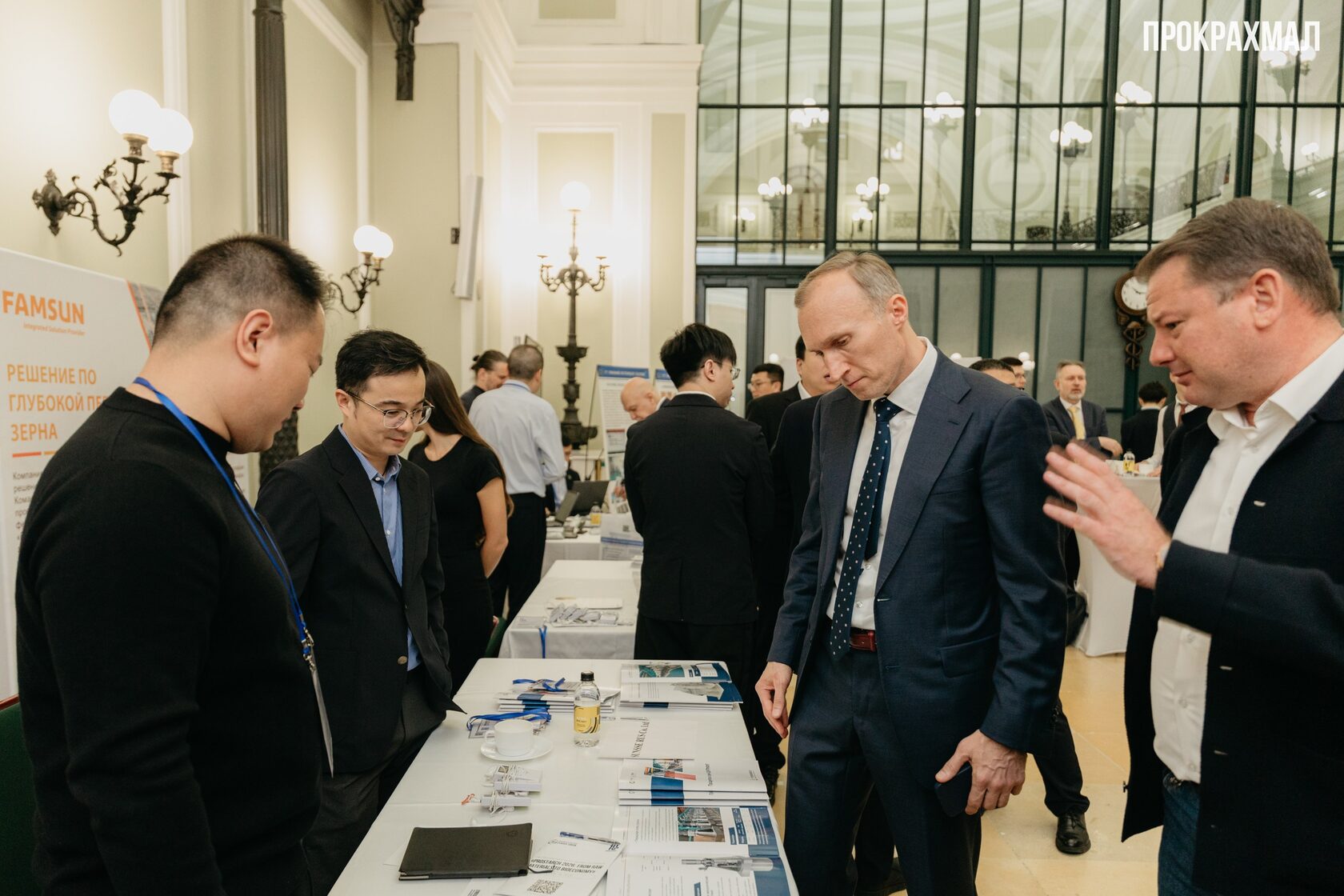
The event gathered key industry players, representatives of government, science, and business, confirming its status as the main expert platform for discussing strategic issues of the starch industry's development and the transition to a bioeconomy model. The event also featured an exhibition of leading Russian and international companies in the field of engineering and construction of value-added plant raw material processing enterprises.
Priority — technological sovereignty
Greetings from representatives of the highest legislative authority were received by the conference participants. In the address of Alexander Dvoinykh, Chairman of the Committee of the Federation Council of the Federal Assembly of the Russian Federation, it was emphasized: “Today, the deep grain processing industry faces ambitious and strategically important tasks. The key among them is ensuring Russia's technical and technological sovereignty in the field of biotechnology and bioengineering. It is the transition to a new bioeconomy model, where grain and other plant raw materials become the basis for producing high-value-added products — amino acids, enzymes, bioplastics, and functional ingredients — that determines our country's competitiveness in global markets.”
Vladimir Kashin, Chairman of the State Duma Committee on Agrarian Issues, noted in his greeting: “Today, the Russian Federation faces a strategic task — ensuring genuine technological sovereignty, the achievement of which is impossible without the advanced development of bioeconomy industries and value-added processing of agricultural raw materials.”
Plenary session “PRO Bioeconomy”: vectors of state support
The plenary session was moderated by Oleg Radin, President of the Association of value-added grain processing companies. During the session, participants discussed new horizons for deep grain processing in the context of national project implementation, state support measures, and the export potential of Russian agrotech.
Vladimir Skvortsov, Director of the Department of Food and Processing Industry of the Ministry of Agriculture of the Russian Federation, spoke about the implementation of the national project to ensure technological leadership “Technological Support for Food Security.” He emphasized the need to achieve 75% self-sufficiency in food and feed ingredients by 2030. To achieve this goal, a federal project “Production of critically important enzyme preparations, food and feed additives, technological processing aids” was developed within the national project. The department is actively working with enterprises and scientific organizations to establish domestic production of amino acids, vitamins, organic acids, modified starches, enzymes, and dairy starter cultures.
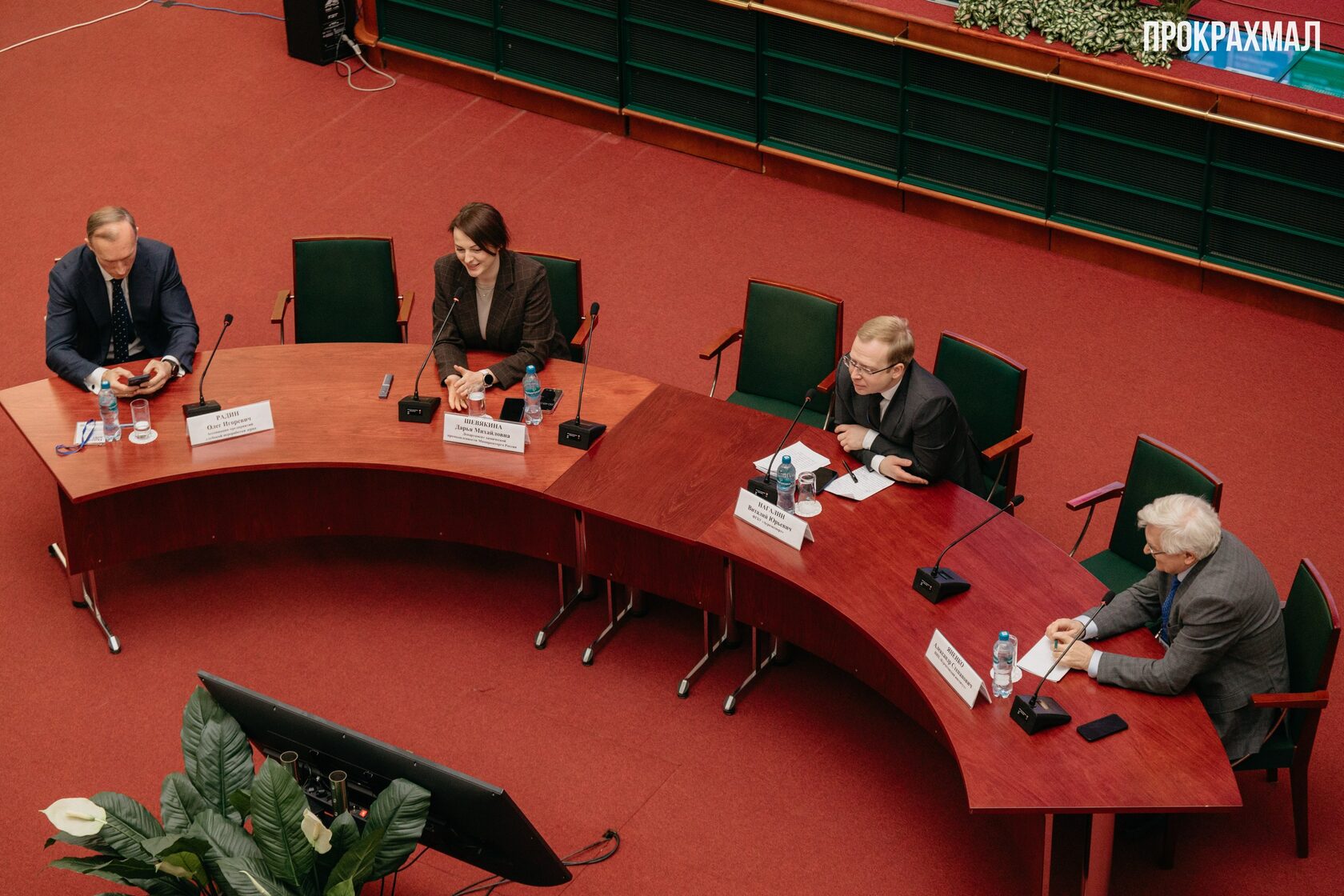
Daria Shevyakina, Deputy Director of the Chemical Industry Department of the Ministry of Industry and Trade of Russia, spoke on the topic "National Project for Ensuring Technological Leadership 'Technological Support for Bioeconomy': New Horizons for Deep Processing." She stated: "The national project for bioeconomy is our common challenge. Only through a close collaboration of the state, ambitious business, and our fundamental science will we be able to not just catch up with global leaders, but to set our own rules in this market. We have a sufficient raw material base, an engineering school, and, most importantly, the will for change."
Alexander Yanenko, Deputy Head of the Kurchatov Institute Research Center Complex, in his report "Microbial Biotechnologies as the Basis for Technological Sovereignty in Deep Grain Processing," noted: "Bioeconomy technologies based on the use of microorganisms are cross-cutting technologies that have the greatest impact on the development of the economy as a whole. Plant biomass is a universal raw material for microorganisms, which are capable of converting it into a wide range of products – biofuels, ingredients, feed, and medicines."
Vitaly Nagalin, Deputy Director of the Federal State Budgetary Institution "Agroexport", in his report "Growth Points for Russian Agrotech Exports" provided specific figures: "The production of food biotechnology products is a high-margin segment, but it requires high investments and significant resources. Export shipments of food biotechnology products from Russia have significantly increased over the past two years and reached 252 million US dollars.
Panel Discussion "PRO Strategies and Investments": Figures and Opportunities
Vladimir Shaforostov, Partner at Strategy Partners, moderated the discussion. Participants discussed macroeconomic conditions for investments in the agro-industrial complex, the investment map of deep grain processing projects in Russia, and mechanisms for financial support of high-tech projects.
Daria Snitko, Vice President, Head of the Analytical Department at Gazprombank JSC, presented a macroeconomic forecast: "The main opportunities in the agro-industrial complex and deep processing in the coming years will be: the use of Chinese technologies, projects for the domestic market, investments in specialized businesses, targeted state support for industries with a multiplier effect, cost management, and new financial solutions."
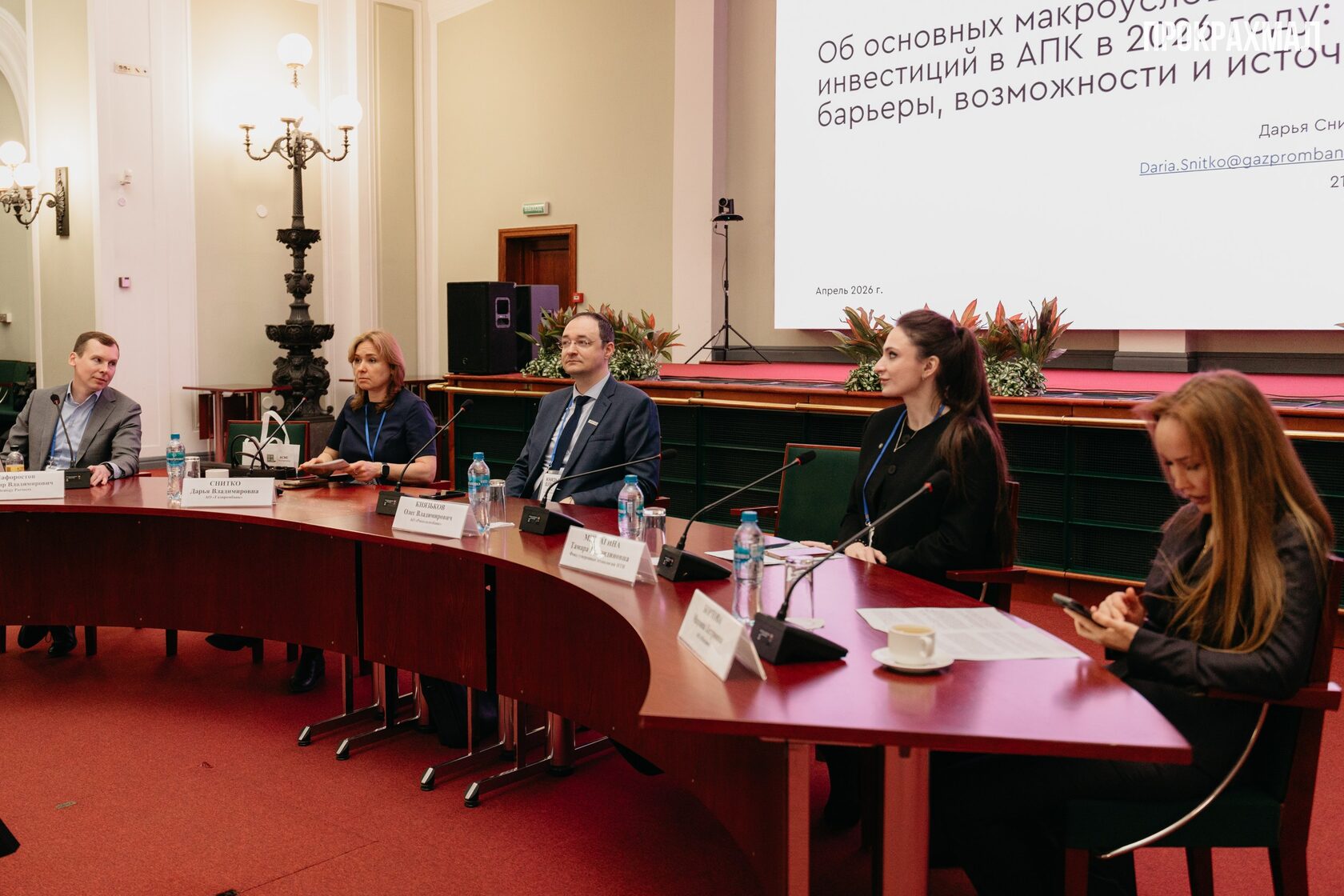
Oleg Knyazkov, Deputy Head of the Industry Expertise Center at Rosselkhozbank JSC, announced ambitious plans for scaling: "The market for alternative deep grain processing products in Russia has great potential. By 2030, deep processing production capacities will double – from 2.5 million tons to more than 5 million tons, while the investment capacity of ongoing projects already amounts to 157.1 billion rubles."
Tamara Mishagina, Head of Biotechnology and Medical Projects at the NTI Sovereign Technologies Venture Fund, emphasized the need for a systemic approach: "Russia possesses significant scientific and raw material potential for the development of agrobiotechnologies, and our common strategic task is to build an ecosystem approach to their development, including mechanisms for financial and non-financial support of high-tech projects, as well as increasing the export of high-value-added products."
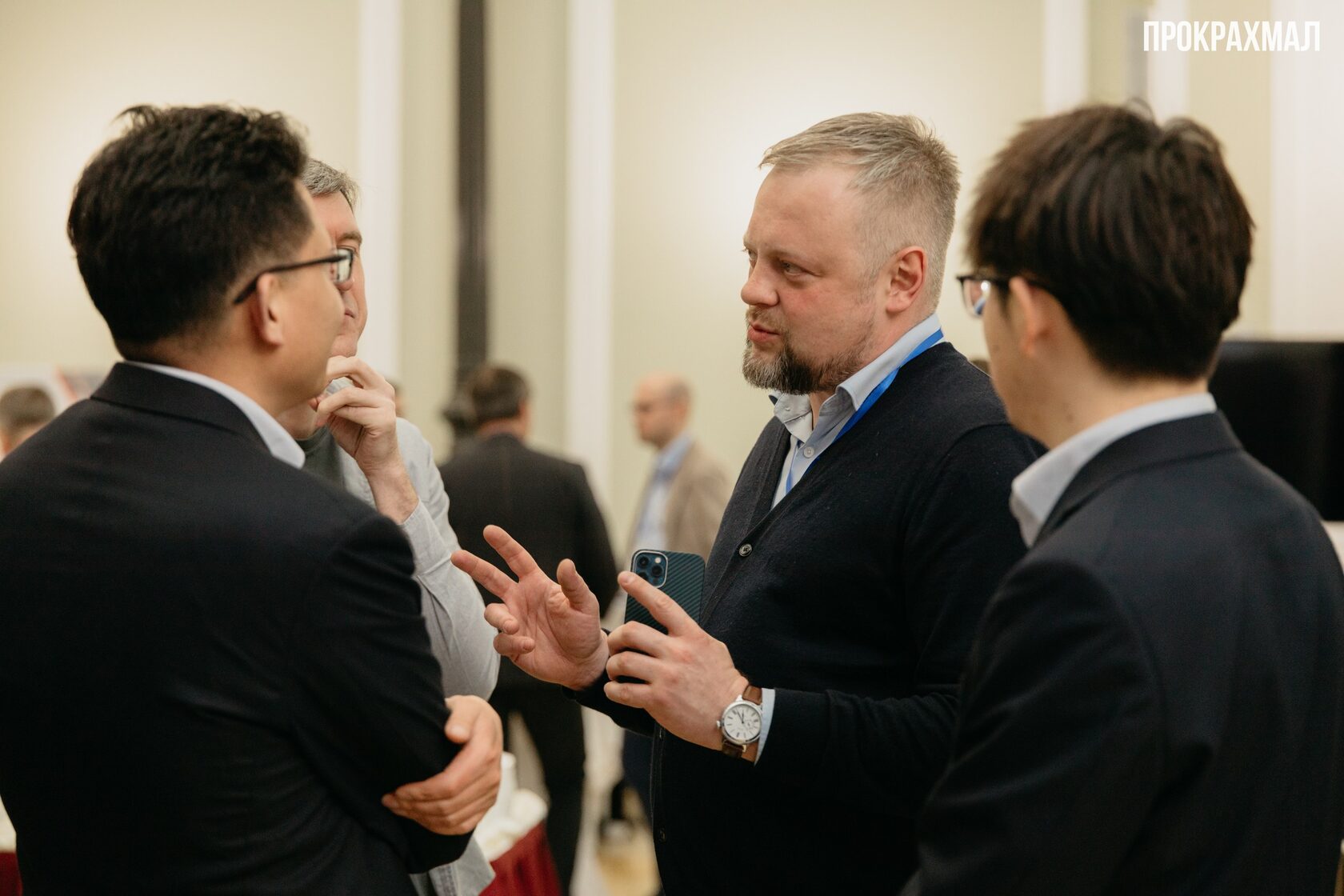
Marina Bortova, Deputy General Director for Interaction with Federal Authorities at Roskhim JSC, summarized in her report "Bioeconomy as a Systemic Response to the Challenges of Food Security and Technological Sovereignty": "The key task of the national project is to consolidate the efforts of the state, business, and science, modernize existing capacities, and create competitive enterprises capable of operating not only for the domestic market but also for export. The deep grain and starch processing industry occupies a special place in this system. It ensures the transition from a raw material model to the production of high-value-added products – amino acids, feed and food ingredients, bioenzymes, biovitamins, and a whole range of related products."
Technological Session "PRO Technologies and Engineering": A Look into the Future
Vasiliy Byzov, Candidate of Agricultural Sciences, Acting Director of the Federal State Budgetary Scientific Institution "A.G. Lorkh Federal Potato Research Center," moderated the session. The key theme of the session was modern technological solutions and engineering approaches that can increase the efficiency of deep grain processing and reduce production costs.
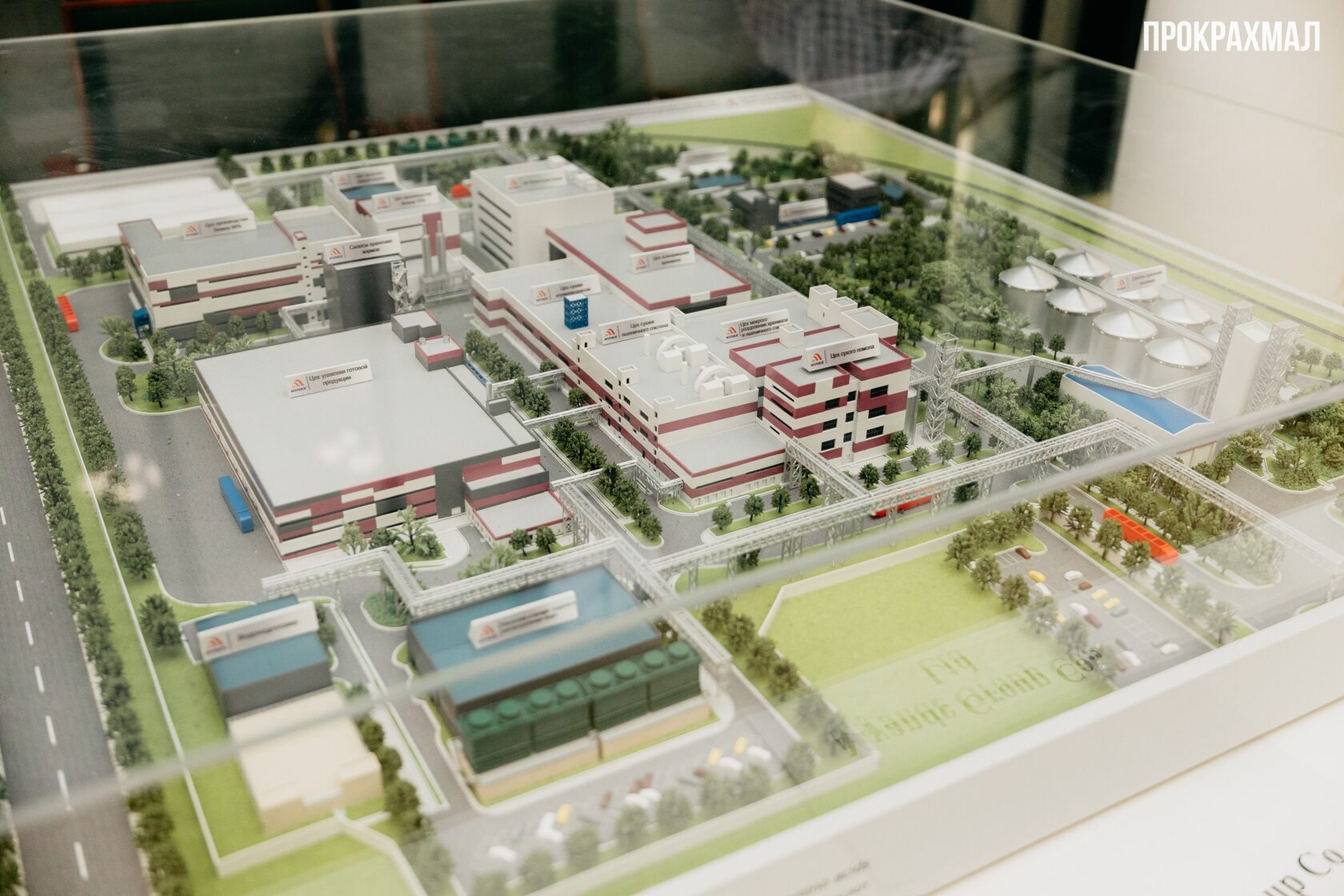
Mikhail Ermolaev, Deputy Director of the Russian office of Myande Group Co., Ltd., noted: "Deep processing of wheat and corn today covers a wide range of products from starches and syrups to amino acids, organic acids, and bioethanol. The development of the industry is associated with the introduction of modern technological solutions, automation of production, and the creation of integrated plants capable of providing high added value and efficient use of raw materials."
Du Qingmin, General Director of Shandong Acme Biotechnology Co., Ltd., said: "The modern comprehensive solution, based on innovations in traditional technologies, combines fully automated operation, real-time monitoring, and centralized management. This solution is associated with high-tech, intelligent approaches and environmentally friendly concepts that allow obtaining high-quality and inexpensive products using proven biotechnological means. This is the basis and driving force that encourages us to continuous innovation."
Liu Haolin, Sales Manager at Oushangyuan Process & Equipment Intelligent Co., Ltd., presented: “Modern ion exchange systems provide significant reductions in operating costs by decreasing the consumption of acids, alkalis, and water, as well as reducing wastewater emissions, while implementing a continuous production process due to the possibility of resin regeneration and backwashing without equipment shutdown.”
Su Xinjuan, Director of FAMSUN Group Co., Ltd., stated: “The development of deep grain processing requires a direct solution to issues of cost and efficiency of raw material use. Enterprises need not only a production complex but also an integrated full-cycle technological package — from the selection of high-yielding strains to the implementation of turnkey EPC projects, ensuring control over all stages and a significant reduction in costs.”
Su Xinjuan, Director of FAMSUN Group Co., Ltd., stated: “The development of deep grain processing requires a direct solution to issues of cost and efficiency of raw material use. Enterprises need not only a production complex but also an integrated full-cycle technological package — from the selection of high-yielding strains to the implementation of turnkey EPC projects, ensuring control over all stages and a significant reduction in costs.”
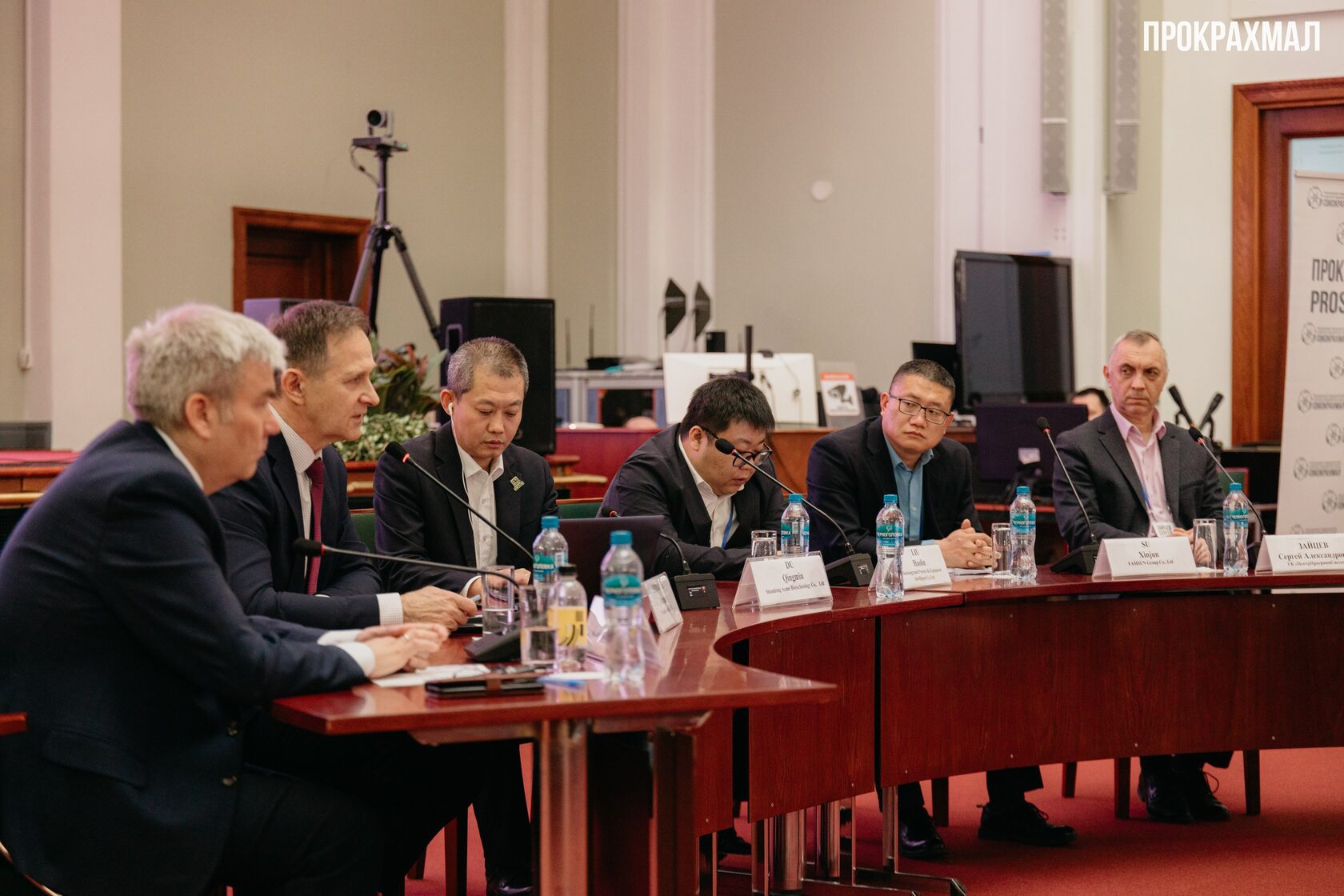
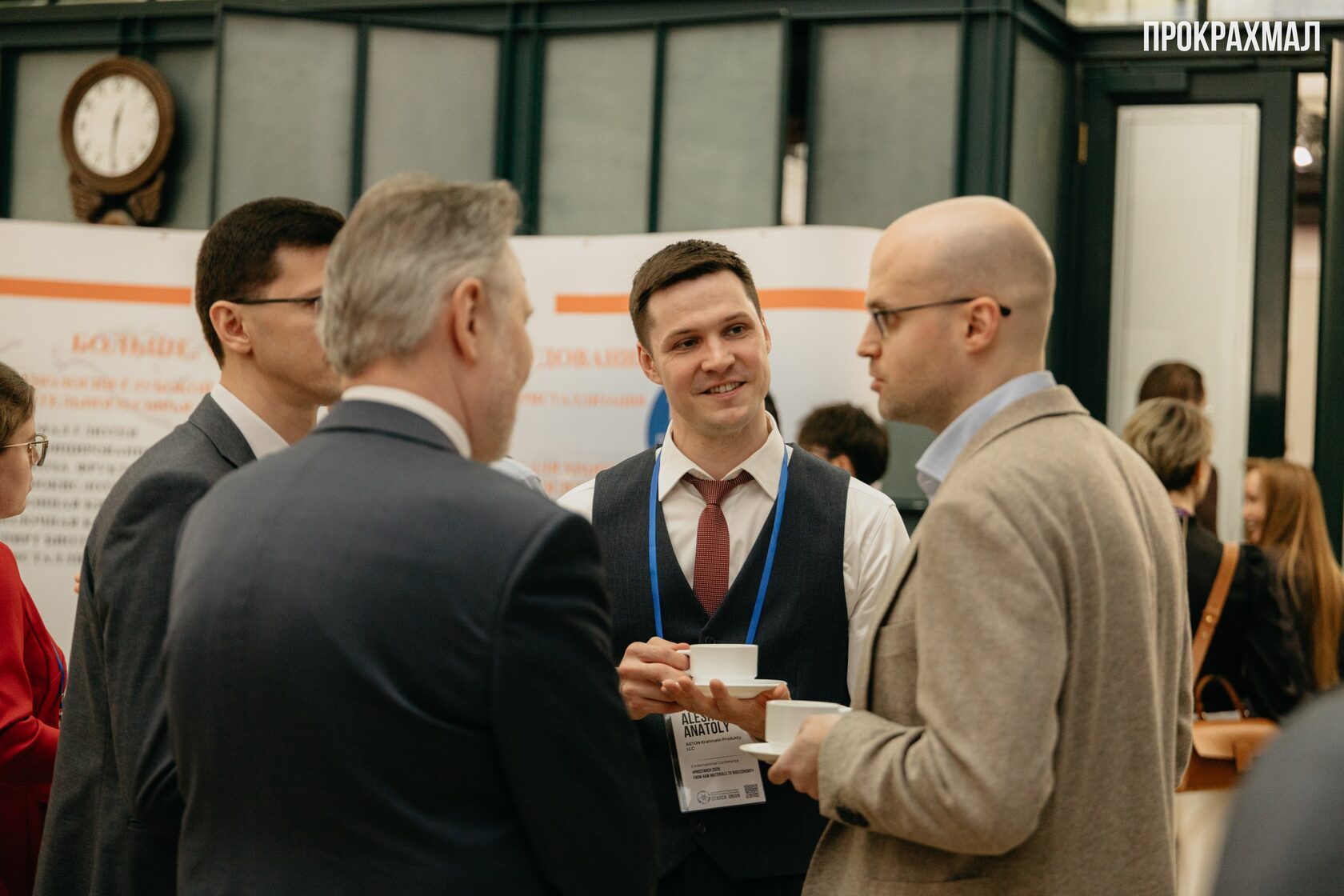
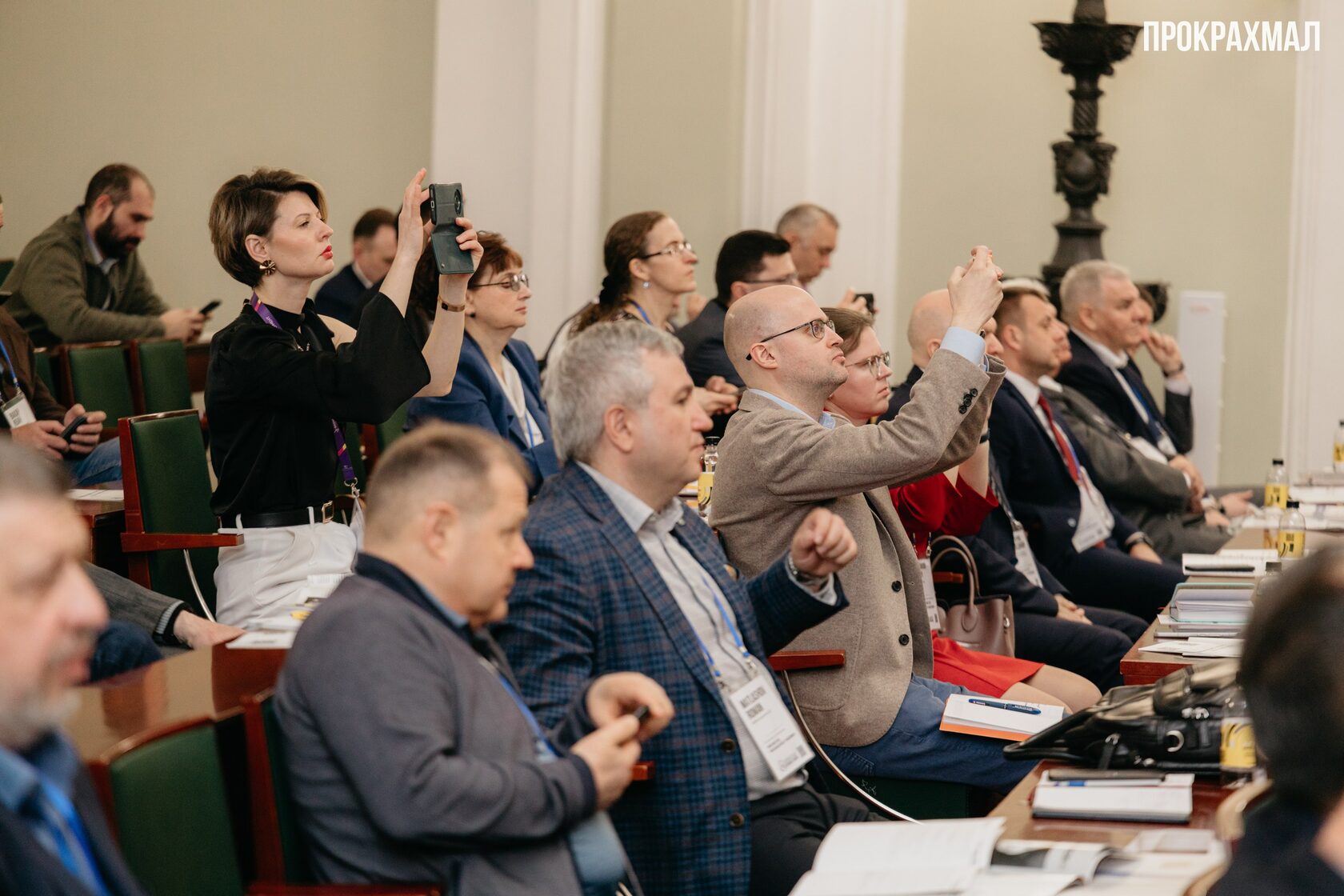
Sergey Zaitsev, Deputy General Director for Commerce of the CenterProgramSystem group of companies, spoke on the topic “How to implement a system for production management quantitative and qualitative accounting of raw materials and finished products at deep grain processing plants and adjacent elevators? Examples, approaches, results.” He also shared his impressions of the event: “I managed to meet new people and communicate with those I had only known remotely before. Participants actively engage, exchange business cards, and talk about their goals for participation — this creates a very open and lively atmosphere.”
Results of the First Day
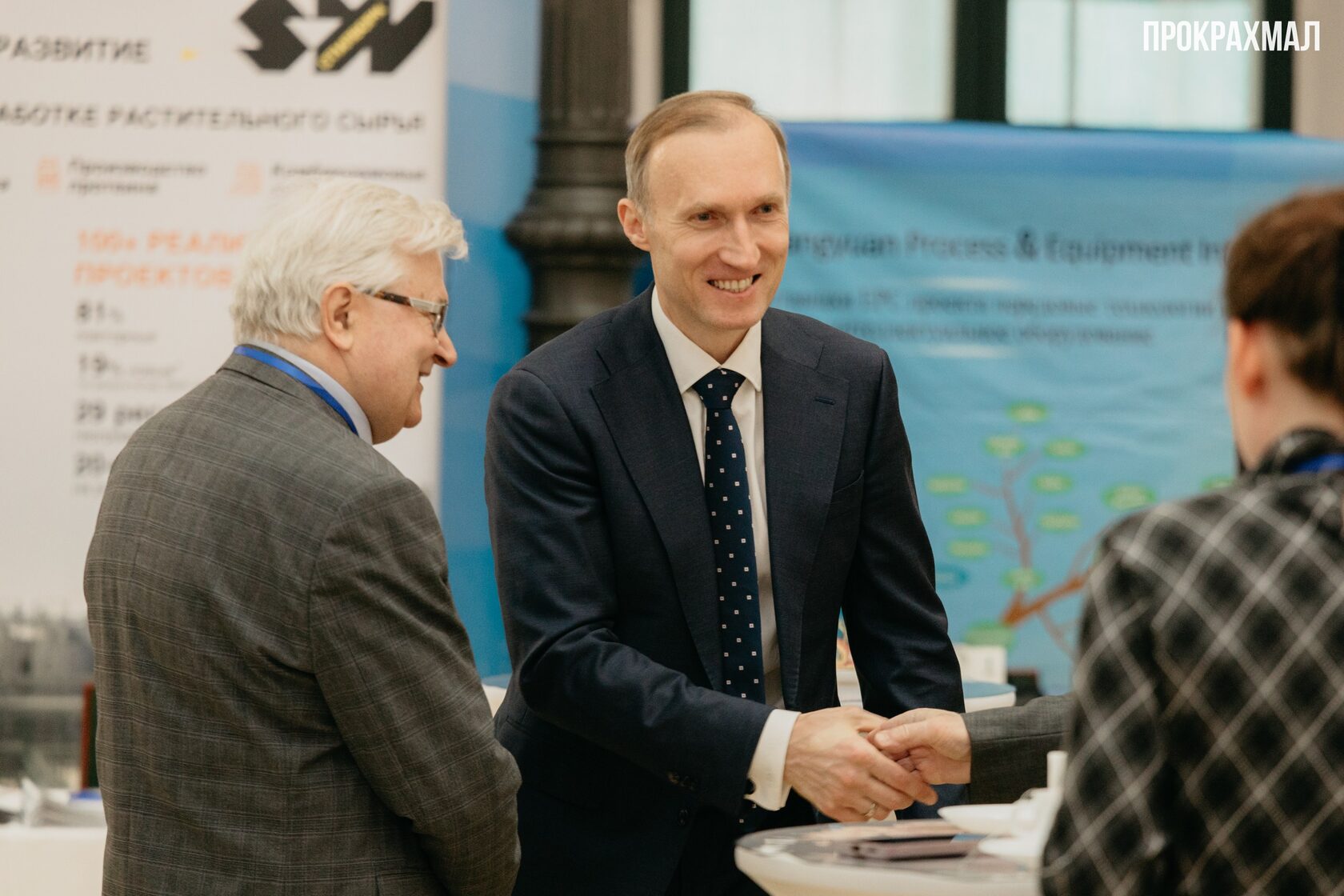
Summing up the first day, Oleg Radin, President of the Association of value-added grain processing companies, noted: “The ProStarch conference is being held for the tenth time, and this year we changed the format: we made it a two-day event, expanded the program, and focused not only on analytics, biotechnologies, and engineering, but also on issues of personnel policy and state regulation. Given that we are the only industry association, we strive to be as useful as possible to the industry by establishing interaction with partner companies worldwide.”
About the StarchUnion Association: The Association of value-added grain processing companies is a professional non-profit organization that promotes the strengthening and development of the domestic deep grain processing market. The StarchUnion Association was founded in 1998 and currently unites 18 of the largest enterprises in the industry, providing about 80% of native starch, more than 75% of the domestic production of native starch, maltodextrin and glucose-fructose syrups, 90% of modified starches, and 100% of glucose syrups and L-lysine sulfate.
Visit the XI International Conference "ProStarch 2027: From Raw Materials to Bioeconomy" on deep grain processing for agribusiness participants, investors, suppliers of food ingredients and technologies.
Details on the website prostarch.ru/en
Your questions will be answered here:
Vasilenko Daria Vladimirovna
+79615276412
https://vk.com/starchunion
https://t.me/starchunion
Details on the website prostarch.ru/en
Your questions will be answered here:
Vasilenko Daria Vladimirovna
+79615276412
https://vk.com/starchunion
https://t.me/starchunion